Both publishers and travel brands have faced financial strain due to the pandemic. Yet travel magazine Atlas Obscura has had its best year yet, according to the company.
Under CEO Warren Webster, who joined the publisher about a week before the pandemic took hold in the U.S., the publisher revamped its media strategy. To replace its trips and experiential business, which accounted for 60% of its revenue last year, Atlas Obscura invested in brand partnerships—most recently with Graduate Hotels and Nissan—to create sponsored content and experiences.
While it was always Webster’s intention to revamp the brand’s business strategy, Covid-19 quickened that approach. “Historically, Atlas Obscura spent a lot of time building the brand and the community and the content and not as much about building the business side, the revenue generating part,” said Webster.
Now, the off-the-beaten-path travel magazine, which caters to an audience of nearly 10 million readers, is expected to see revenue improve “slightly” beyond 2019 levels, with media revenue doubling.
“We think of Atlas as an experiences company powered by media,” said David Plotz, Atlas’ former CEO, who stepped away from the company in October 2019. “For the long-term future of the company, we think the experience piece is going to be the real driver and differentiator for us.”
Last year, Atlas Obscura brought in more than $20 million in funding, a substantial amount of which came from short-term rental platform Airbnb, to expand the publisher’s experiential business. Offerings ranged from a day tour of Washington D.C.’s scandalous past for $25 to a nine-day photography tour of Chernobyl that runs nearly $4,000.
“We were sitting on gold,” said Amanda Hale, Atlas Obscura’s vp of revenue.
Since then, the publisher has invested in fostering those brand partnerships, hiring creatives with experience in experiential marketing and bringing on new board members, like Marriott’s former top marketer Karin Timpone.
In September, the publisher announced its partnership with Graduate Hotels, a hospitality brand that caters to college town markets. Atlas created guided tours in Nashville, Tenn. and Knoxville, Tenn. What’s more is that it didn’t look like sponsored content; it instead resembled Atlas’ city guides.
Earlier this week, Atlas announced a collaboration with Nissan for a series of drive-in, livestreamed concerts around the launch of the 2021 Nissan Rogue. Atlas designed a microsite for Nissan, complete with individual road trip itineraries, highlighting stops along the way.
The publisher’s niche audience and offering provides a premium for brand’s looking for media partners that can offer more than typical branded content. Atlas’ ability to organize and leverage experiences—albeit Covid-safe ones—gives the publisher an upper hand.
“Sometimes with brand sponsorships, it feels forced,” said Allyson Witherspoon, Nissan’s CMO. But Atlas gave Nissan a “media partnership to distribute the message and a way to do more experiences” in a way that didn’t feel “cookie-cutter,” she said.

The work produced with Nissan was done in conjunction with the brand’s creative agency TBWA. Webster said that an Atlas creative studio would be a natural progression for the company. It’s also a tribute to Atlas’ audience: niche, but highly motivated. Much of the site’s content is self-published from readers and travelers alike.
“They had a full suite, but maybe it wasn’t a priority because they had a focus on experiences,” said a media buyer familiar with Atlas, who asked to remain anonymous. “Conde Nast has an audience. Atlas Obscura has a community, and there’s a benefit and a value to a community where it’s like a two-way conversation. You’re more invested.”
This type of sponsored work also allows Atlas to charge a premium.
“It’s expanded our deal size by orders of magnitude, higher than just a typical piece of branded content,” said Hale. “We’re really concertedly trying to move away from the RFP [request for proposal] slog and move to more direct relationships to work in a deeper way.”
Warren declined to provide specific figures concerning revenue and Atlas Obscura’s value, but said revenue was in the mid-eight figures range. The company, he said, is “closer to run-rate profitable” and is on its way to profitability.
“This is our moment,” said Webster. “With everyone thinking, ‘How can we get away from mass tourism?’ This is our moment to deliver.”


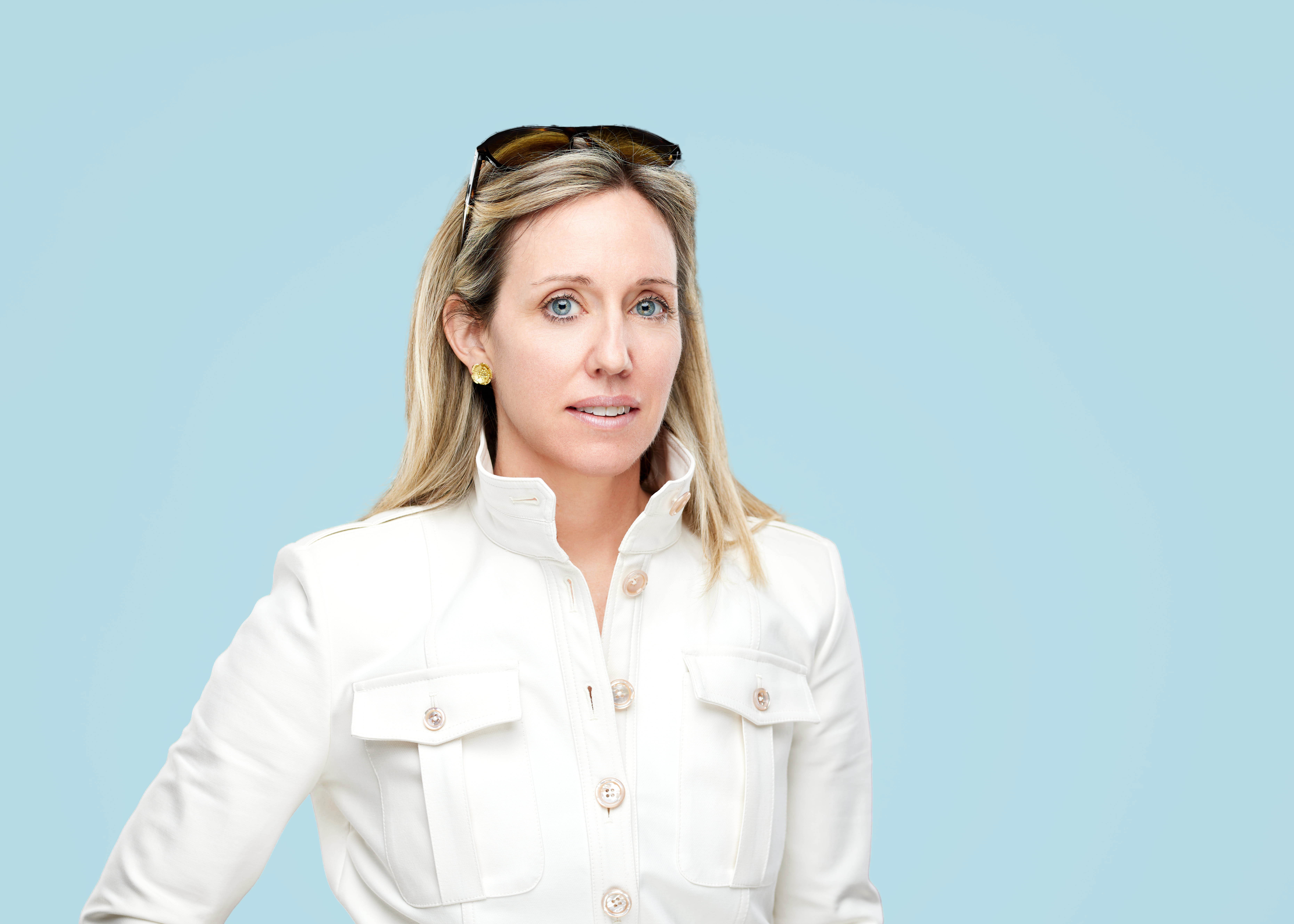

 Atlas Obscura’s board of directors, which includes Foer and co-founder Dylan Thuras, is also excited to welcome Sam Wick, a leading media and technology executive and investor. Most recently, Wick was a partner at the United Talent Agency and led UTA Ventures, which includes the flagship UTA.VC venture fund and the UTA Venture Studios, which builds businesses in partnership with leading celebrities and influencers including Seth Rogen, Emma Chamberlain, Issa Rae, Ryan Seacrest and others. Before joining UTA, Wick was a key member of Maker Studios’ management team, which was acquired by Disney. He previously held senior media and technology roles including at MySpace, AOL, Mp3.com and Sony. During this time he was involved in M&A activity including financing and acquisitions of his companies. In addition, he is active as an investor and advisor in the start-up community. His current portfolio is 50+ investments, including such notable companies as Masterclass, Patreon, Thrive Market, Consensys and Gemini.


